

Bangladesh is stepping into a new phase of industrial diversification with the establishment of a hydroponics tent manufacturing facility at the Bepza Economic Zone in Mirsarai, Chattogram. Backed by an investment of $30.47 million from Hong Kong–China-based Green Pure Houseware BD Company Limited, the project signals a shift toward high-value, technology-driven exports beyond traditional sectors.
Approved in January this year and formalised through an agreement with Bepza in March, the company has been allocated six plots covering approximately 22,000 square metres within the economic zone. Construction is already underway, with commercial production expected to begin by March next year. Once operational, the facility is projected to produce between 400,000 and 500,000 units annually, primarily targeting export markets such as the United States, Europe, the United Kingdom, Canada and Japan.
Read More: Bepza Plans 2 New EPZs to Boost 17.03% Export Power in North
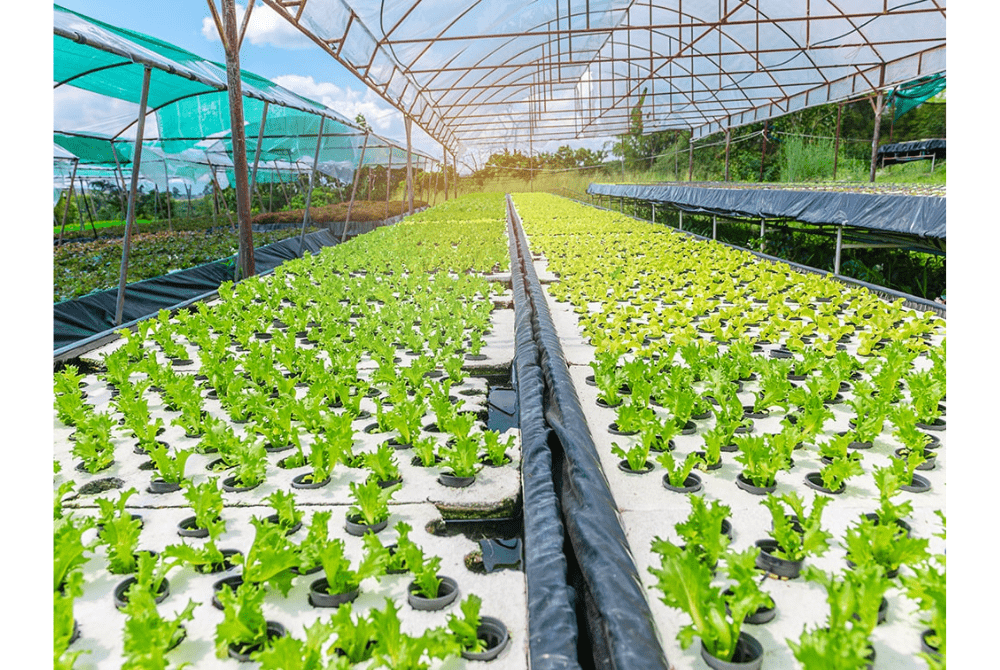
At the core of this project lies hydroponics, a soilless farming technology that is gaining global traction due to its efficiency and adaptability in controlled environments. The greenhouse tents produced at this facility are essential components of such systems, enabling the cultivation of high-value crops with minimal land and water use. This marks the first time Bangladesh will manufacture hydroponics-related products on an industrial scale, opening access to a rapidly growing global agri-tech market.
Beyond hydroponics tents, the factory will also produce EVA cabinet mats, cartons and PE packaging film, positioning itself as a multi-product manufacturing hub. This diversification within the facility itself enhances operational efficiency while creating multiple revenue streams from a single investment.
One of the most immediate economic impacts of the project is employment generation. The factory is expected to create around 3,000 jobs for Bangladeshi workers, contributing significantly to the local economy in and around Mirsarai. In addition to direct employment, the project is likely to stimulate growth in supporting sectors such as transport, housing, small businesses and services, creating a broader economic ripple effect.
From a strategic standpoint, this initiative aligns with Bangladesh’s long-term goal of reducing reliance on the ready-made garments sector, which still dominates export earnings. Hydroponics tents represent a non-traditional, high-value product category with increasing global demand, particularly in regions focusing on sustainable agriculture and food security. By entering this segment, Bangladesh positions itself to capture new market opportunities and strengthen its export resilience.
Officials at the Bepza Economic Zone highlight that the project reflects a broader strategy to attract foreign investment, promote product diversification and build high-tech industrial capabilities. The success of such ventures is also tied to the business-friendly environment and infrastructure support provided within Bepza zones, which continue to attract international investors.
Read More: Cox’s Bazar Wind Project Sets 60MW Benchmark for Bangladesh
Globally, the demand for smart farming solutions is rising due to challenges such as climate change, shrinking arable land and the need for efficient food production systems. Hydroponics offers a viable solution to these challenges, and the manufacturing of its core components locally gives Bangladesh a competitive advantage in this emerging sector.
This investment is more than just the addition of a new factory. It represents a strategic move toward innovation, diversification and future-ready industrial growth. As Bangladesh continues to evolve its economic landscape, projects like this could redefine the country’s position in global trade, shifting the narrative from volume-driven exports to value-driven manufacturing.