

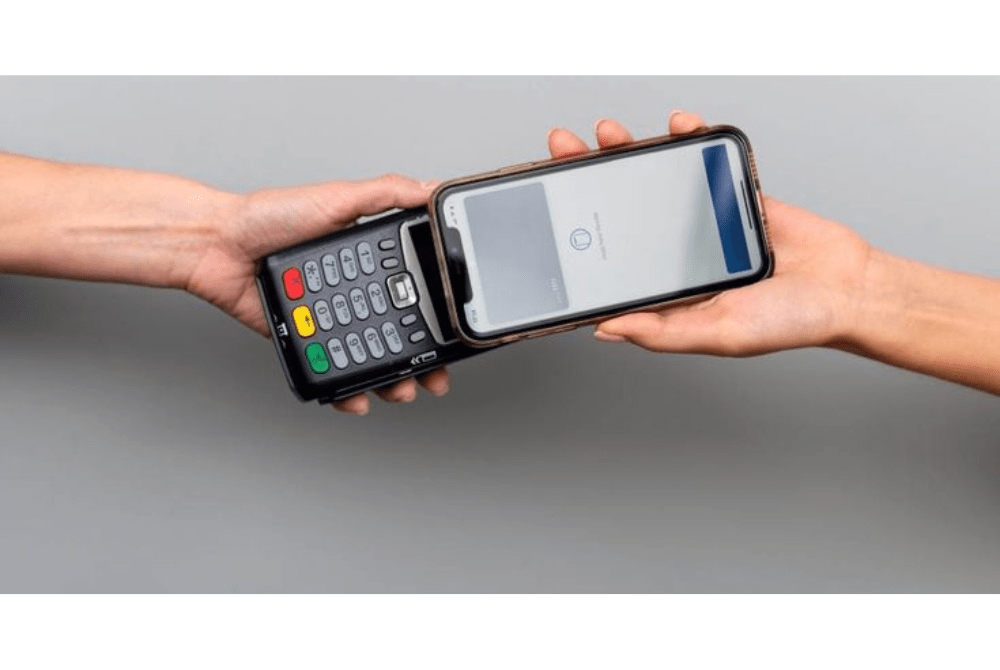
Bangladesh’s journey toward a cashless economy is no longer just about convenience or technology. It is increasingly about inclusion. For millions of low and middle income earners, formal banking still feels distant and inaccessible. Even salaried workers often find that banks are not designed for their reality. When urgent financial needs arise, they are pushed toward informal lenders or high interest microfinance options that solve short term problems but deepen long term vulnerability.
Digital finance is beginning to challenge that imbalance. Mobile financial services have shown that access does not always require branches, paperwork, or traditional collateral. Instead, transaction history and digital behaviour are emerging as new indicators of financial credibility. Small digital credit facilities may seem insignificant in size, but they signal a system that recognizes economic activity previously ignored by banks.
Read More: Bangladesh Moves Forward with Padma Barrage Project
Globally, cashless systems are already reshaping financial inclusion. India’s UPI now handles nearly half of the world’s real time digital transactions. Mobile money platforms globally process more than 4.6 billion dollars every day. Brazil’s Nubank serves over 80 million users through a fully digital model. Indonesia has successfully expanded nano loans using digital platforms. These examples show that when infrastructure, regulation, and trust align, cashless systems can bring large segments of the population into the formal economy.
Bangladesh has made notable progress in mobile financial services since their introduction in 2011. Today, around 90 million active accounts process close to 120 billion dollars in transactions annually. What began as person to person transfers has expanded into wages, remittances, government payments, and merchant transactions. The nationwide agent network has helped digital finance reach rural and underserved areas faster and at lower cost than traditional banking.
Yet progress remains uneven. Only 43 percent of Bangladeshi adults currently have a financial account of any kind. Just 21 percent use mobile money and card usage remains extremely low, with only 8 percent owning a debit card and 2 percent a credit card. Nearly half the adult population remains outside the formal financial system. QR based payments and digital merchant adoption also lag behind regional peers such as India, China, Vietnam, and Cambodia.
Structural issues within the financial system further deepen exclusion. Recent research shows that just 1.2 percent of loan accounts control more than 75 percent of total lending. Dhaka and Chattogram alone account for around 65 percent of deposits and 78 percent of loans. This concentration reflects a system that expands in size but fails to distribute access equitably across regions and income groups.
Microfinance has helped fill some gaps, especially for women, but it has not fully replaced informal lending nor addressed the diverse financial needs of an urbanizing economy. Digital banks and nano loans are emerging, but they remain at an early stage and require strong policy support to scale responsibly.
Read More: Betopia Group: From Tk 500,000 to Tk 80 Million Monthly Payroll
The shift toward a cashless economy also carries risks. Older citizens, rural communities, informal workers, and many women face barriers such as limited internet access, high device costs, and low digital literacy. Gender gaps remain significant due to unequal access to mobile phones and account control. Fraud and weak consumer protection further threaten trust, with studies showing that one in ten mobile financial service users has experienced financial fraud.
For a cashless transition to succeed, technology alone is not enough. Public policy must focus on affordability, consumer protection, financial literacy, and strong grievance mechanisms. Regulation should encourage innovation while protecting users. Most importantly, Bangladesh must move from physical collateral to information based collateral by using digital transaction data to build credible credit profiles for the unbanked and underbanked.
Bangladesh stands at a critical moment. Digital finance infrastructure is growing rapidly, but its direction will determine whether inclusion improves or inequality deepens. A cashless economy is not just about digitizing payments. It is about reshaping who gets access to finance and on what terms. If designed with inclusion at its core, it can unlock opportunity and shared prosperity. If not, it risks becoming another system that serves only the connected few.