

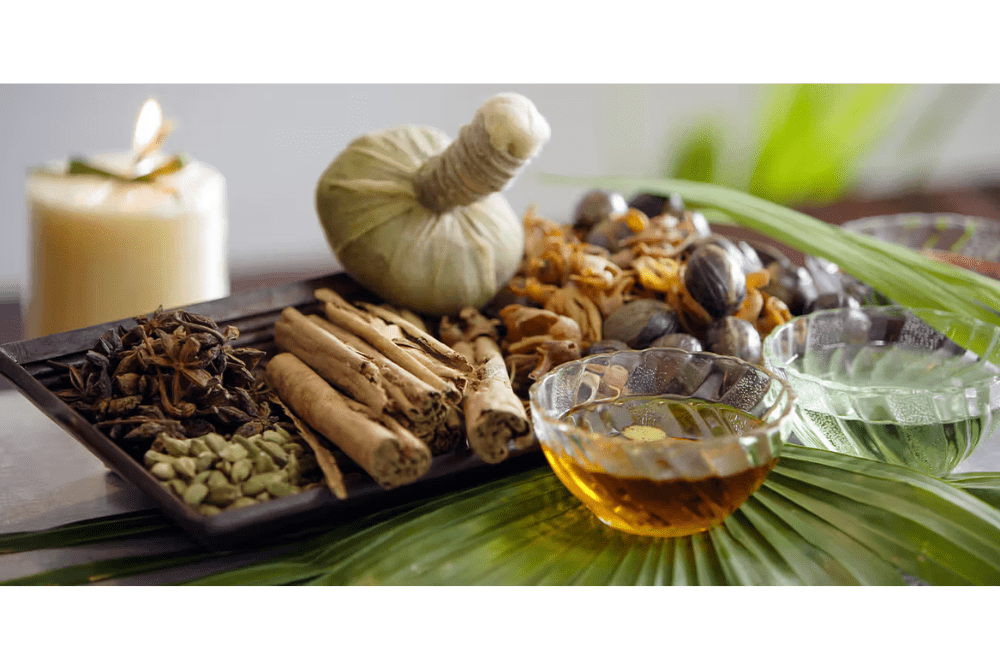
Bangladesh has a deep rooted tradition of alternative medicine, where Ayurvedic and Unani treatments continue to be widely used alongside modern allopathic care. From village kavirajs to urban pharmacies selling branded herbal products, plant based remedies remain a first point of treatment for a large segment of the population. Today, more than 550 manufacturers operate formally in this space, including around 201 Ayurvedic, 275 Unani, and 40 herbal companies, reflecting a sizeable and active domestic industry.
Despite this scale, the sector remains marginalised compared to mainstream pharmaceuticals. A World Bank supported study had earlier estimated the formal herbal medicine market, including Ayurvedic, Unani, and homoeopathic products, at approximately Tk 3,300 million or around US$60 million, even more than a decade ago. Importantly, the study noted that growth in this segment was outpacing that of conventional allopathic medicines, indicating strong and sustained demand within the country.
Read More: Central Bank Moves Steady Economy, Reserves Rise to 26.8 Billion Dollars
However, this domestic strength has not translated into export success. Official trade data show that Bangladesh’s exports of medicinal plants, which supply the Ayurvedic and herbal industries, stood at about US$0.59 million in FY2013–14 and declined to US$0.39 million in FY2014–15. While more recent detailed export data are limited, available evidence suggests that earnings from herbal and Ayurvedic exports still remain only in the range of a few hundred thousand dollars annually. This figure is strikingly low when compared to Bangladesh’s pharmaceutical exports, which exceeded US$205 million in FY2023–24 and reached around US$213 million in FY2024–25.
Industry observers point to weak legislation and fragmented governance as key reasons behind this underperformance. Regulatory oversight is divided among multiple bodies, including the Directorate General of Drug Administration, the Bangladesh Unani and Ayurvedic Board, and the Herbal Product Development Council under the Ministry of Commerce. The lack of clear coordination, consistent standards, and strong enforcement has limited the sector’s ability to scale, standardise, and build international credibility.
Yet the opportunity remains significant. There is clear scope for local companies to expand product portfolios, invest in quality assurance, and develop trust based brands that can compete globally. A notable example is Antique Pharmaceuticals, a Bangladeshi manufacturer that has combined traditional formulations with modern delivery systems and digital commerce. The company has already entered international markets by selling Ayurvedic products through platforms such as Amazon and eBay, reaching consumers in Europe, North America, and the Middle East. Plans are also underway to expand into Alibaba, targeting Asian and global wholesale buyers and demonstrating how digital platforms can open direct export pathways for Bangladeshi herbal products.
As Antique Pharmaceuticals CEO Saniat Hossain notes, Ayurvedic medicine is no longer only a practice of the past but an increasingly relevant part of the future of healthcare, aligned with sustainability, prevention, and human centric wellbeing. He argues that Bangladesh’s path forward lies in preserving its heritage while strengthening scientific validation, modernising delivery systems, and actively engaging global markets. If these steps are taken, Ayurveda could evolve from a cultural tradition into a meaningful contributor to both the national health sector and economic growth.
Read More: Bangladesh’s First Satellite Turns Profitable After Six Years, Despite Using Only Half Its Capacity
Globally, consumer interest in sustainable, natural, and culturally rooted health solutions continues to rise. This creates a timely opportunity for Bangladesh to position its Ayurvedic and herbal industry as a credible and competitive supplier. At home, greater emphasis on education is also needed to help consumers understand the proper use, benefits, and limitations of herbal medicine. Ultimately, bridging traditional knowledge with modern scientific standards and regulatory clarity will be essential to unlocking the sector’s long overdue potential.