

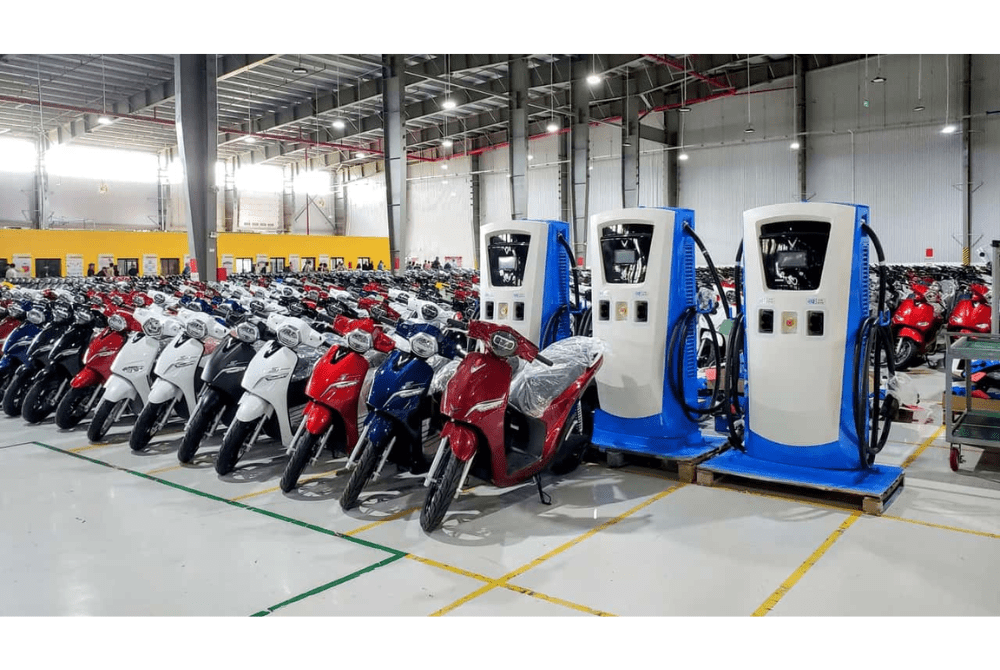
PRAN-RFL Group has announced a major expansion into Bangladesh’s fast growing two wheeler market with a planned investment of Tk 500 crore over the next three years. The initiative will focus on manufacturing and marketing motorcycles and electric scooters, positioning the conglomerate as a significant player in a sector that is rapidly evolving both in scale and in consumer preference.
Out of the total planned investment, Tk 400 crore will be allocated in phases to produce motorcycles of the well known Indian brand TVS in Bangladesh under a newly signed memorandum of understanding. This move means PRAN-RFL will take over manufacturing and distribution of TVS motorcycles in the local market. The remaining investment includes Tk 50 crore that has already been spent to assemble the group’s own electric scooter brand, RYDO, with further investments planned to strengthen production capacity and localisation.
Read More: Cashless Pathways: Unlocking Financial Inclusion Beyond Traditional Banking
A new motorcycle assembly and manufacturing plant will be established at the Habiganj Industrial Park. Full scale production is expected to begin within this year, with an initial target of producing 5,000 units per month. This capacity is expected to expand gradually as demand grows and local supply chains become stronger. According to company officials, the long term goal is to manufacture almost all key components locally within the next year. This localisation strategy is aimed at reducing dependency on imports, improving cost efficiency and ensuring competitive pricing for consumers.
The group’s entry into electric mobility is particularly significant. RYDO electric scooters are already being assembled, and the company plans to offer high quality models at around Tk 50,000 by 2027. This price positioning is designed to make electric scooters more accessible to middle income consumers, especially young riders who increasingly view motorcycles and scooters not just as transport tools but as lifestyle products. As urban congestion rises and fuel costs remain a concern, demand for affordable electric alternatives is expected to increase steadily.
To address one of the key barriers to electric vehicle adoption, charging infrastructure, PRAN-RFL has partnered with Glafit Bangladesh Limited to install fast charging stations at its retail outlets. This step is intended to build consumer confidence and ensure that RYDO users have convenient access to charging support. Infrastructure readiness will play a crucial role in determining how quickly electric scooters can scale in the local market.
The economic impact of the investment is also substantial. The initiative is projected to create around 5,000 direct and indirect jobs. These jobs will span manufacturing, assembly, distribution, retail operations, maintenance and related supply chain services. For a country like Bangladesh where youth employment remains a priority, the project offers an opportunity to strengthen industrial capability while generating new income streams.
Read More: Bangladesh Moves Forward with Padma Barrage Project
The broader market context supports this strategic move. Bangladesh’s motorcycle market is currently valued between Tk 7,000 crore and Tk 8,000 crore. The sector is growing at an annual rate of 16 to 17 percent, driven by rising disposable income, urbanisation and improved road connectivity. Industry experts expect national production capacity to reach one million units by 2027, reflecting both strong domestic demand and expanding manufacturing infrastructure.
The government’s emphasis on “Made in Bangladesh” manufacturing also aligns with PRAN-RFL’s localisation plan. By producing TVS motorcycles locally, the company can contribute to value addition within the country, reduce import dependency and potentially benefit from supportive industrial policies. Local production may also help stabilise prices for consumers by limiting exposure to exchange rate volatility and import duties.
From a strategic perspective, the dual focus on established motorcycle brands and home grown electric models allows PRAN-RFL to diversify risk and capture different consumer segments. TVS motorcycles will appeal to customers seeking proven performance and brand recognition, while RYDO electric scooters can attract environmentally conscious and cost sensitive buyers looking for modern mobility solutions.
In summary, PRAN-RFL’s Tk 500 crore investment marks a significant development in Bangladesh’s two wheeler industry. With a new manufacturing base in Habiganj, a monthly production target of 5,000 units, a clear localisation roadmap and an employment generation plan for 5,000 people, the initiative reflects both industrial ambition and market confidence. As the motorcycle sector continues to expand and electric mobility gains traction, the group’s entry could reshape competitive dynamics and strengthen Bangladesh’s position as a growing manufacturing hub for two wheelers.